
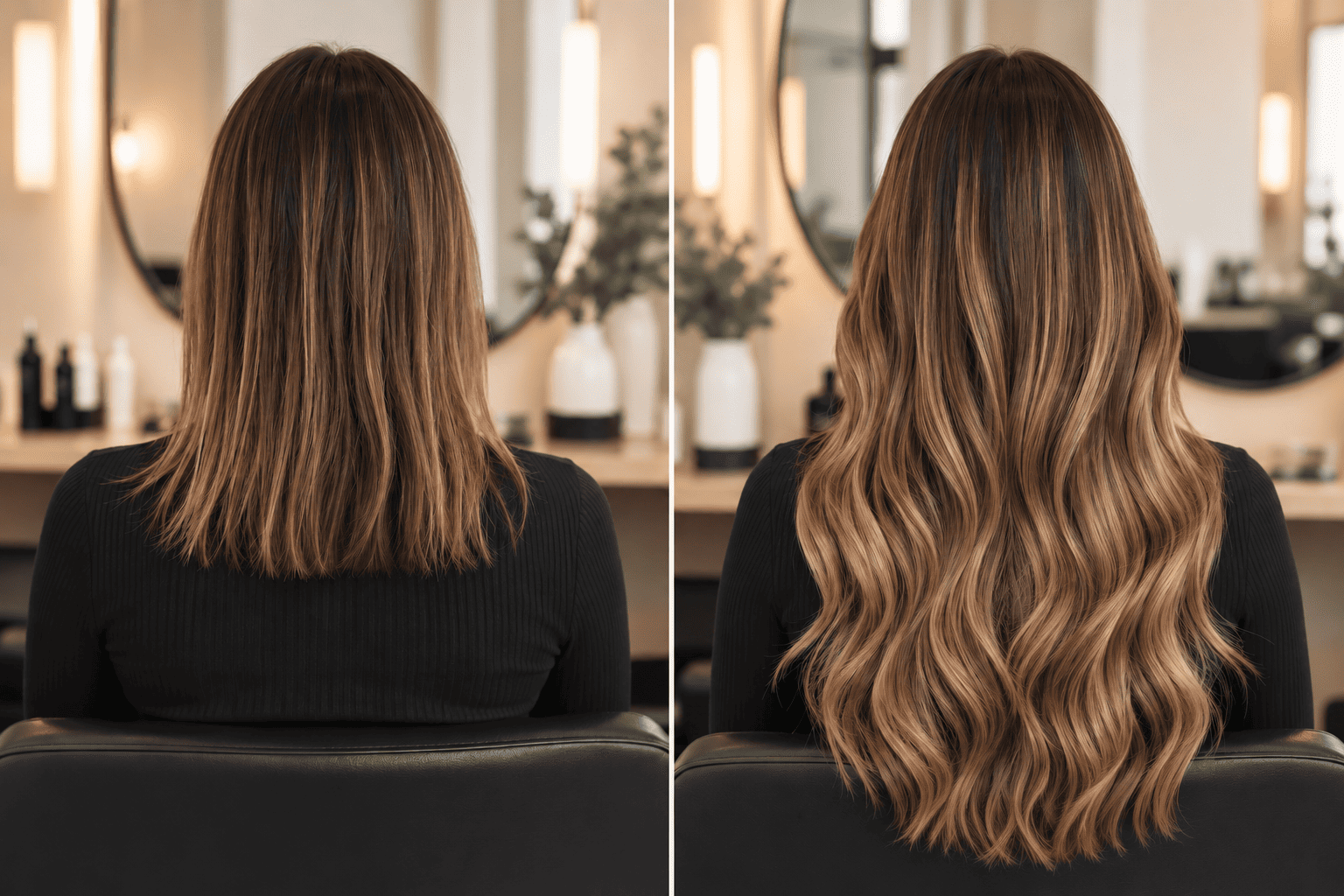

If you’re considering hair extensions, “how long will they actually last?” is probably the first question on your mind — right after “will they look natural?” The honest answer: it depends on the type of extensions you choose, how well you care for them, and how fast your own hair grows.
Here’s a real breakdown of what to expect, by extension type, so you can plan your next salon visit (and your budget) with confidence.
What Affects How Long Hair Extensions Last
A few factors determine how long any set of extensions holds up:
- Application method — tape-in, sew-in, fusion, and clip-in extensions all bond to your natural hair differently, which affects how long they stay secure.
- Hair growth rate — as your natural hair grows, the attachment point shifts away from your scalp, which is what eventually creates the need for a move-up or reinstall.
- Aftercare routine — how you wash, brush, and sleep with your extensions in has a direct impact on their lifespan.
- Extension quality — human hair extensions generally last longer and hold color and texture better than synthetic ones.
Average Lifespan by Extension Type
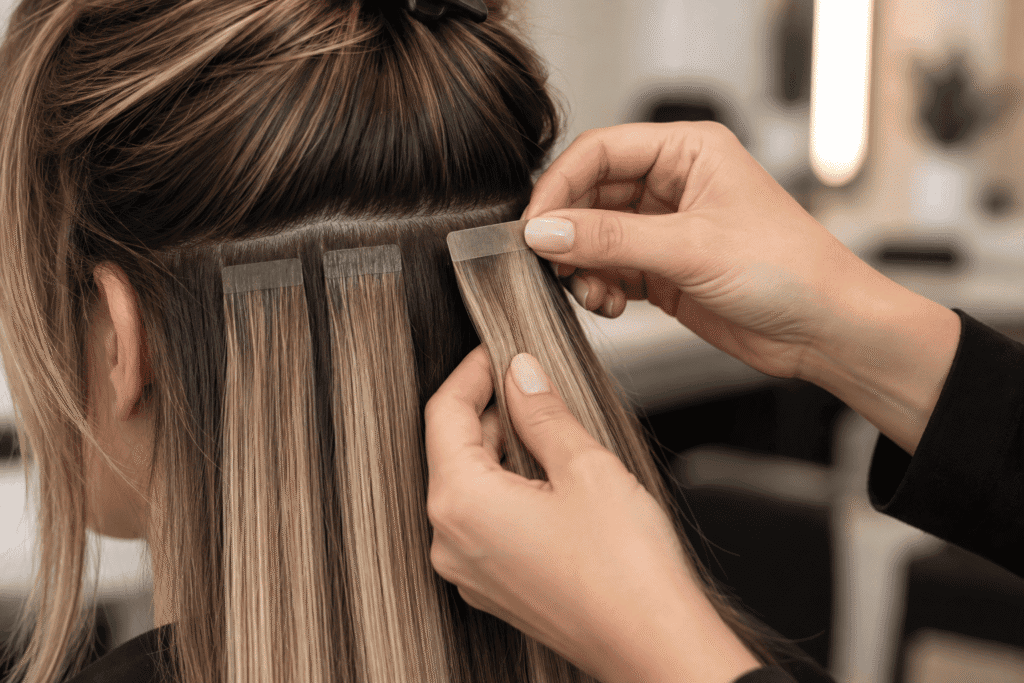
- Tape-in extensions: Typically last 6–8 weeks before they need to be moved up or reapplied, though the hair itself can be reused for 6–12 months with proper care.
- Sew-in (weft) extensions: Usually last 6–10 weeks per install, since they rely on braided tracks that loosen as hair grows.
- Fusion/keratin bond extensions: Can last 3–4 months per application, making them one of the longer-lasting semi-permanent options — though removal requires a professional.
- Clip-in extensions: Since these go in and out daily, the extensions themselves can last 6–12 months or longer with gentle handling, since there’s no bonding process wearing on the hair.
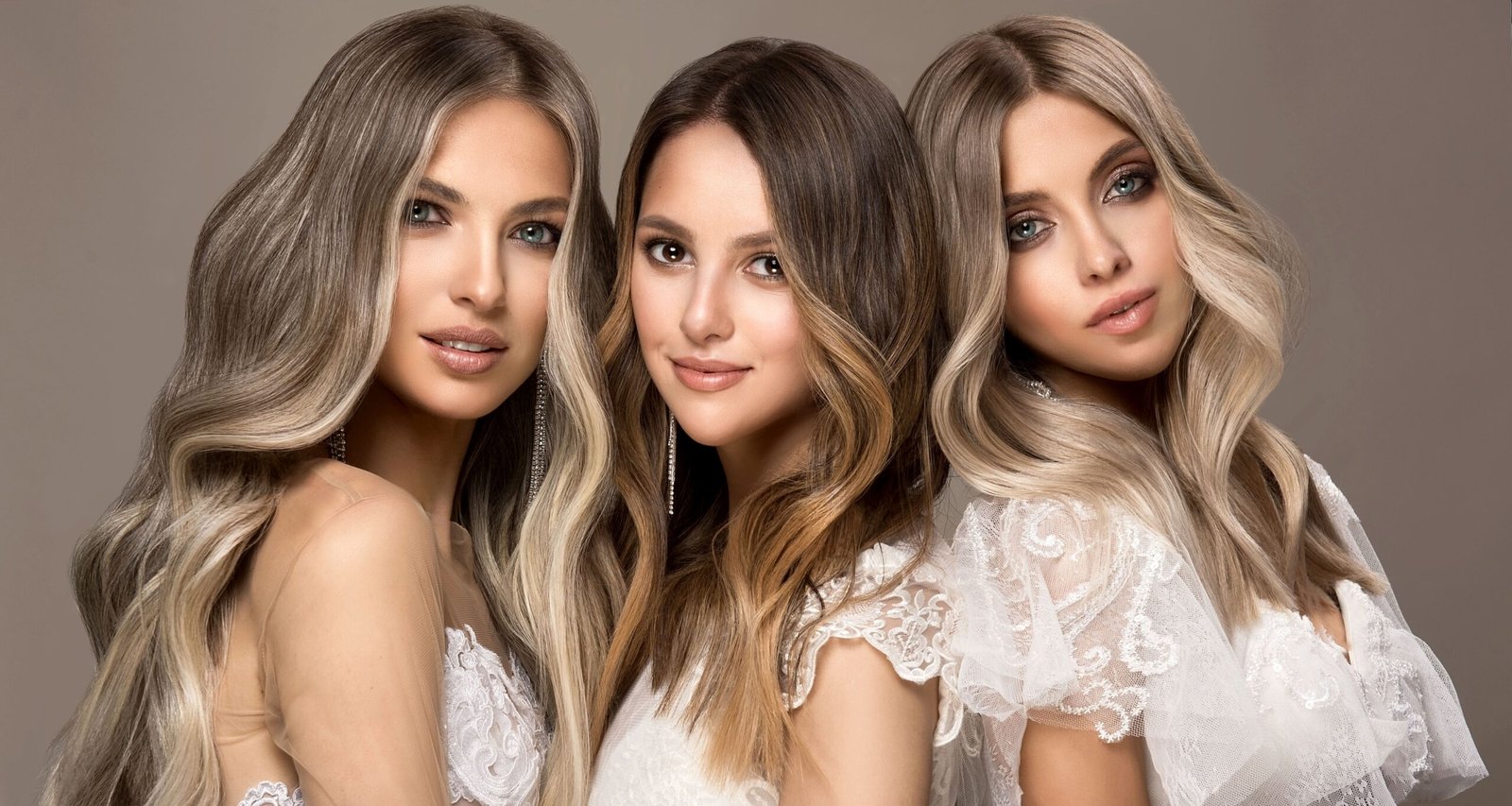
If you’re weighing extensions against other high-impact color services, it’s worth comparing timelines — for context, balayage and highlights follow a very different maintenance schedule than extensions do, since they’re a color treatment rather than an added hair system.
How to Make Your Extensions Last Longer
- Brush gently, starting from the ends and working up, using a loop brush designed for extensions.
- Sleep with hair in a loose braid or ponytail to prevent tangling and pulling at the roots.
- Use sulfate-free shampoo and apply conditioner mid-shaft to ends only, avoiding the bonds or tape.
- Avoid heavy oils or heat styling directly at the attachment points.
- Book your move-up appointment on schedule rather than waiting until extensions feel loose — waiting too long puts more stress on your natural hair.
Signs It’s Time for a Touch-Up or Replacement
- You can feel or see the bonds, tape, or wefts noticeably away from your scalp.
- Tangling has become more frequent, even with regular brushing.
- The extensions feel heavier or looser than when they were first applied.
- Your natural hair has grown more than half an inch since your last appointment.
Catching these signs early keeps your extensions looking full and natural, and protects your own hair from unnecessary strain.
Which Extension Type Is Right for You?
There’s no single “best” option — it comes down to how much maintenance you want, how often you’re willing to visit the salon, and the look you’re going for. Tape-ins are popular for their natural movement and relatively quick application. Fusion extensions suit those who want a longer stretch between visits. Clip-ins are ideal if you want length or volume only on occasion.
A consultation is really the fastest way to figure out which type fits your hair, your routine, and your goals.
Ready to Talk Extensions?
At U Beauty Bar in Kendall, our stylists start with a real conversation about your hair goals before recommending a method. Whether you’re after face-framing length, more volume, or a completely new look, we’ll walk you through the options in person. Book an extensions consultation on our Hair page and let’s find the right fit for you.


0 Comments