
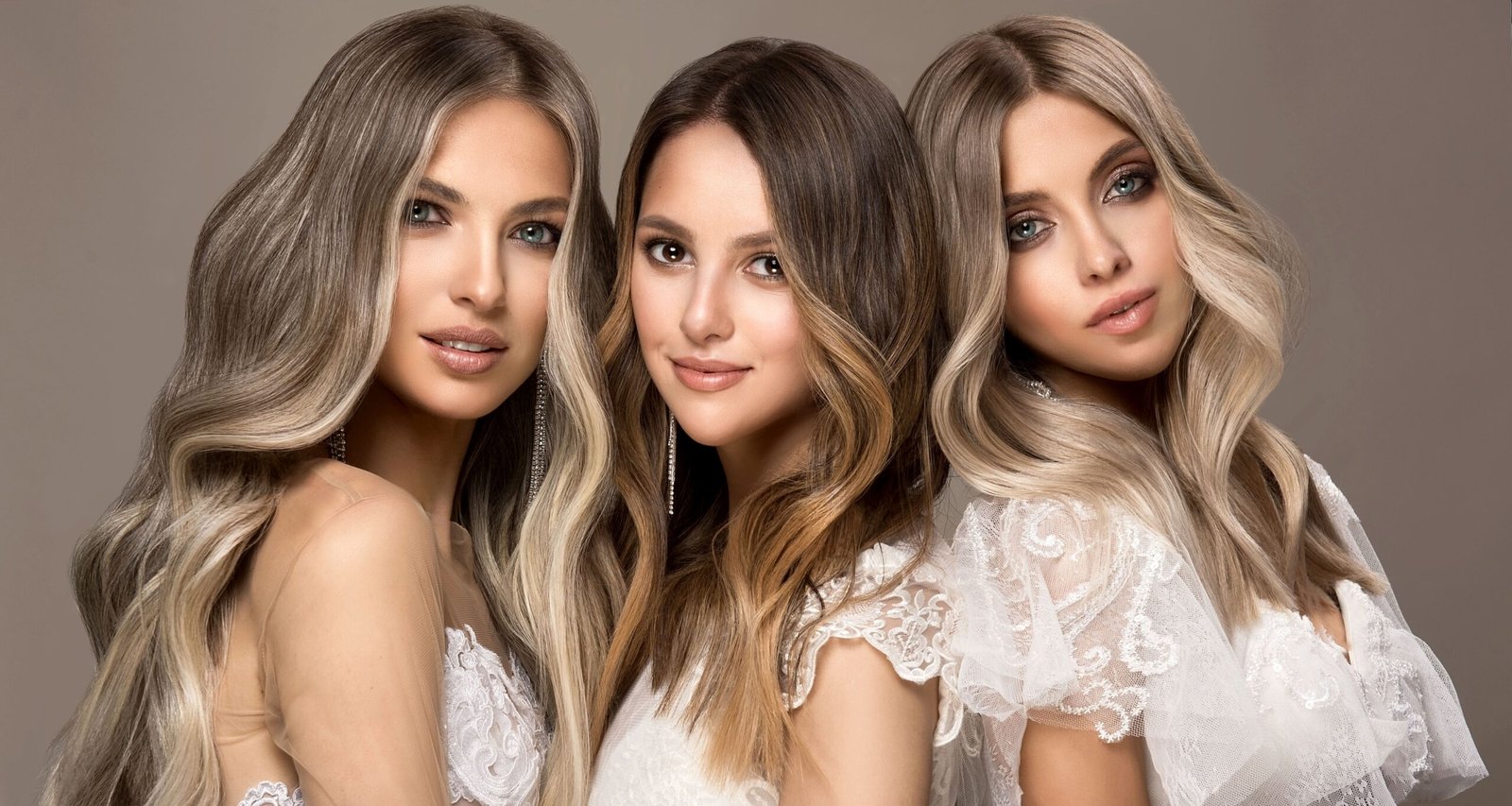

Walk into almost any salon consultation and you’ll hear the same question: balayage or highlights? Both techniques lighten your hair, both can transform your whole look, and both show up constantly on Pinterest boards and Instagram feeds — which makes the choice feel harder than it should be.
The truth is, balayage and highlights aren’t competing for the same job. Each one is built for a different kind of result, a different level of upkeep, and a different hair type. Once you understand what each technique actually does, the decision gets a lot easier.
What Is Balayage?
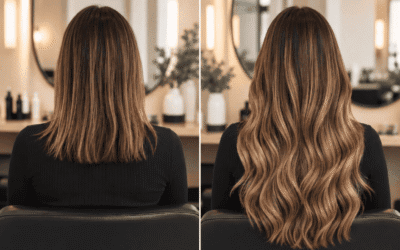
Balayage is a French hand-painting technique. Instead of sectioning hair into foils, a colorist sweeps lightener directly onto the surface of the hair, freehand, in a pattern that mimics how hair naturally lightens in the sun. The result is soft, diffused color that’s heavier at the ends and blends seamlessly into your natural base.
Because there’s no hard line where the color starts, balayage grows out gracefully. There’s no obvious root line demanding an appointment every four weeks — which is exactly why it’s become the go-to choice for people who want lower-maintenance color without sacrificing dimension.
What Are Highlights?
Traditional highlights use foils. A colorist sections the hair and applies lightener to individual strands, wrapped in foil to isolate and process them. This gives much more control over placement and creates a more uniform, consistent pattern of lighter pieces throughout the hair.
Foil highlights tend to lighten more evenly from root to tip, which makes them a better fit for anyone chasing a brighter, more dramatic contrast — think classic sun-kissed streaks or a fuller head of blonde. The trade-off is that highlights typically need more frequent root touch-ups to keep that consistent pattern looking fresh.
Balayage vs. Highlights: The Key Differences
- Maintenance: Balayage’s soft grow-out means touch-ups every 8–12 weeks; highlights usually need attention every 6–8 weeks to manage root regrowth.
- Look: Balayage gives a natural, sun-kissed gradient. Highlights give more uniform, high-contrast dimension.
- Application time: Highlights generally take longer in the chair due to the sectioning and foiling process.
- Best for: Balayage suits those who want a low-maintenance, natural look or are growing out previous color. Highlights suit those who want maximum brightness and a more polished, consistent finish.
- Hair type considerations: Balayage tends to look especially natural on darker bases and longer lengths, while highlights can create beautiful dimension on shorter cuts where placement matters more.
Cost varies by salon and by how much lightening your hair needs, but many clients find balayage more budget-friendly over time simply because of the longer stretch between appointments.
So, Which One Is Right for You?
If you’re drawn to a soft, effortless color that grows out without demanding constant upkeep, balayage is likely your answer. If you want brighter, more uniform dimension and don’t mind more frequent salon visits, highlights will get you there faster.
Honestly, there’s no universally “better” option — it comes down to your hair goals, your lifestyle, and how much time you want to spend in the chair. A skilled colorist can also blend the two techniques, using foils for brightness underneath and balayage on top for a softer finish.
That’s really the conversation worth having in person. Hair texture, current color, and the look you’re picturing all factor into which technique — or combination — will get you the best result.
Ready to Find Your Perfect Color?
At U Beauty Bar in Kendall, our colorists start every appointment with a real consultation, not a guess. We’ll look at your hair, talk through what you’re hoping for, and recommend whether balayage, highlights, or a blend of both is the right move. Book a color consultation on our Hair page and let’s find the look that fits you.
0 Comments